
How Often Should You Feed Your Dog (Puppy to Senior)

How often you should feed your dog depends on more than just age, factors such as breed size, activity level, health, and metabolism also play an important role. While puppies typically need several small meals a day to support growth and energy, adult and senior dogs often do better with a more consistent feeding routine tailored to their needs.
Feeding too often or too little can affect digestion, energy levels, weight management, and overall health. In this guide, we’ll explain how often dogs should be fed at different life stages, from puppies to seniors, along with feeding schedules, portion considerations, and signs that your dog’s routine may need adjustment.
The Adult Routine
Establishing Consistent Meal Times
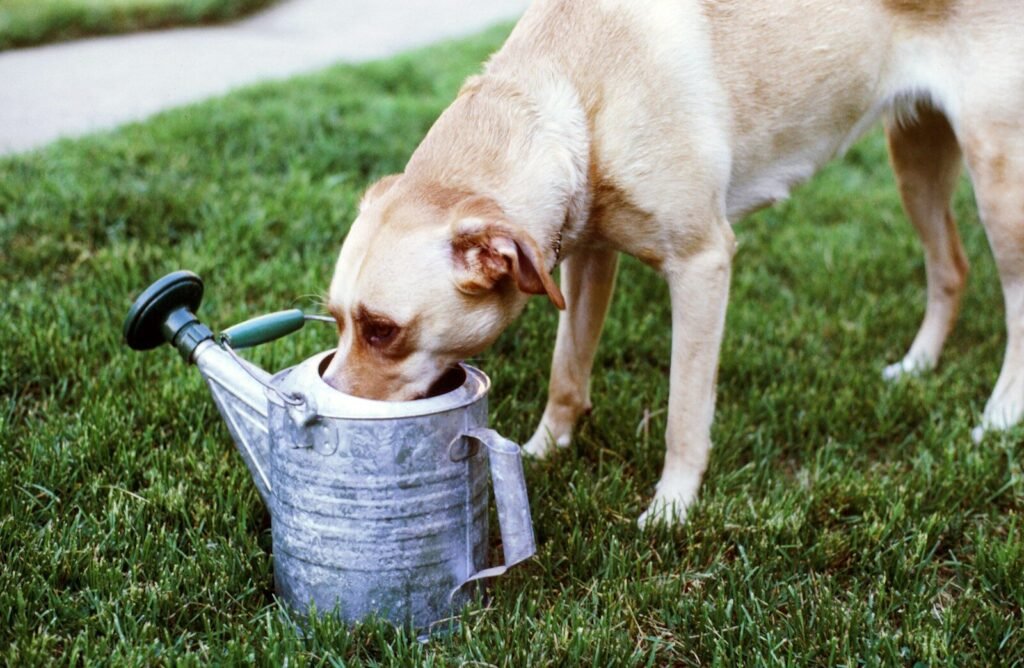
Most adult dogs thrive on a predictable feeding schedule, typically two meals per day spaced about 12 hours apart. This rhythm supports steady energy levels and helps regulate digestion, reducing the risk of bloating or gastrointestinal discomfort.
You’ll notice your dog anticipates meals at the same times each day, which reinforces routine and contributes to overall behavioral stability. Sticking to a consistent timetable also makes it easier to monitor appetite changes that could signal health concerns.
Portion Control and Caloric Needs
Your dog’s ideal portion depends on weight, breed, activity level, and metabolism. A 50-pound moderately active Labrador, for example, will require more daily calories than a 20-pound senior Shih Tzu with a sedentary lifestyle.
Check the feeding guidelines on your dog food packaging as a starting point, then adjust based on body condition-your dog should have a visible waist and you should be able to feel, but not prominently see, their ribs. Overfeeding leads to obesity, which increases the risk of joint problems, diabetes, and heart disease.
Adjusting for Lifestyle and Health
Active working dogs or those that participate in agility or hunting may need more frequent or larger meals to sustain energy. If your dog spends hours outdoors or engages in intense physical activity, splitting their daily intake into three smaller meals can prevent fatigue and support muscle recovery.
On the other hand, less active or overweight dogs benefit from measured portions and possibly a lower-calorie diet formula. Always consult your veterinarian before making significant dietary changes, especially if your dog has a medical condition like pancreatitis or kidney disease.
Monitoring and Responding to Changes
As your dog moves through adulthood, their nutritional needs will shift. A once ravenous 3-year-old may slow down by age 7, requiring fewer calories even if their routine stays the same. Watch for signs like weight gain, decreased interest in food, or changes in coat quality-these can all point to the need for a diet adjustment. Regular vet checkups every six to twelve months help catch subtle shifts early, ensuring your dog remains healthy well into their senior years.
Variables of the Breed

Size and Energy Demands
Your dog’s breed plays a major role in determining how often they should eat. Larger breeds like Great Danes or Mastiffs grow rapidly as puppies and require more frequent meals to support their development, but they also face a higher risk of bloat, so portion control and feeding frequency must be carefully managed.
Smaller breeds such as Chihuahuas or Yorkshire Terriers have faster metabolisms and may need more frequent, smaller meals to avoid hypoglycemia. You’ll notice that high-energy breeds like Border Collies or Australian Shepherds burn through calories quickly, often needing more food per pound than their more sedentary counterparts.
Growth and Maturity Rates
Breeds mature at different rates, which directly affects feeding schedules. Giant breeds can take up to two years to reach full skeletal maturity, meaning their nutritional needs extend well beyond the typical puppy stage. Feeding them like adult dogs too soon can lead to joint issues.
In contrast, small breeds often reach adulthood by 10 months, so their transition to adult feeding patterns happens earlier. You need to align meal frequency not just with age, but with the breed-specific timeline of physical development.
Genetic Health Considerations
Some breeds are predisposed to certain health conditions that influence feeding routines. For example, Dachshunds are prone to back problems, and maintaining a lean body weight through controlled feeding helps reduce strain.
Bulldogs and other brachycephalic breeds may struggle with overheating and fatigue during meals, so spreading food intake over multiple smaller feedings can ease digestion. You’re responsible for adjusting meal timing and portion size based on your dog’s breed-related vulnerabilities, not just general guidelines.
Conclusion
Taking this into account, your dog’s nutritional needs shift significantly from puppyhood to senior years. Puppies require frequent meals-three to four times daily-while adult dogs typically thrive on two meals per day. Senior dogs may need adjusted portions and feeding frequency based on health and activity levels. You must tailor feeding schedules to age, breed, size, and medical condition.
Your veterinarian is your best resource for personalized guidance. Relying on professional advice ensures your dog maintains optimal health throughout each life stage.