How Much Water Should a Dog Drink Per Day

Water plays a critical role in keeping your dog healthy, supporting digestion, circulation, body temperature regulation, and organ function. But many pet owners wonder: how much water should a dog drink per day? The amount varies based on your dog’s size, age, activity level, diet, and even the weather, making hydration needs different for every dog.
Knowing whether your dog is drinking too little or too much water is just as important as understanding the average daily requirement. In this guide, you’ll learn how much water dogs generally need, what factors affect their intake, common signs of dehydration, and when unusual drinking habits may signal an underlying health issue.
The Basic Rule of the Bowl
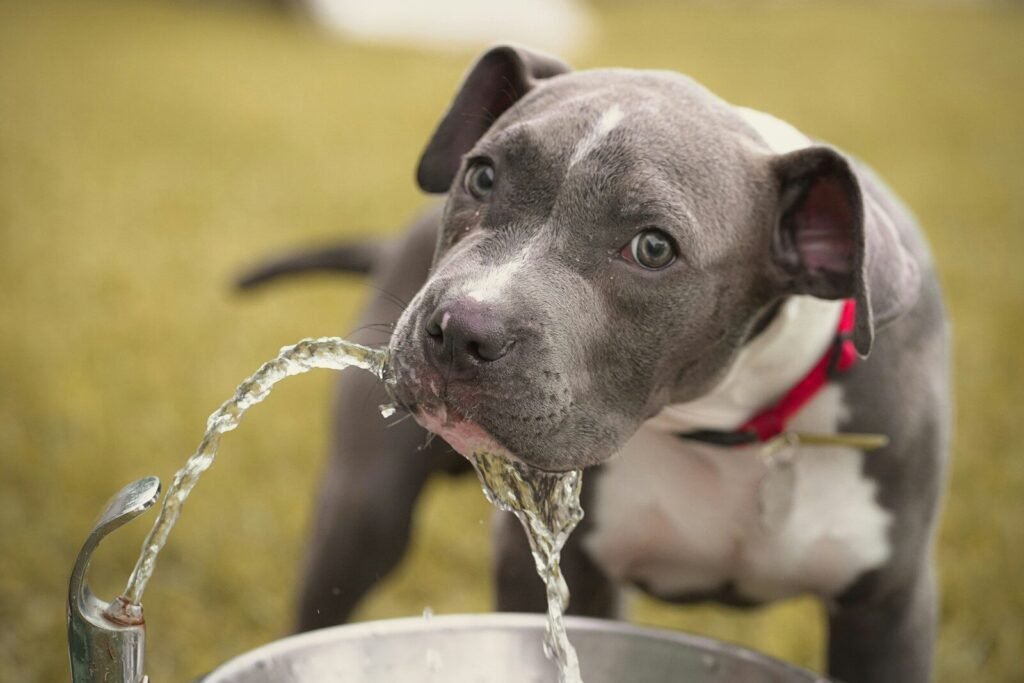
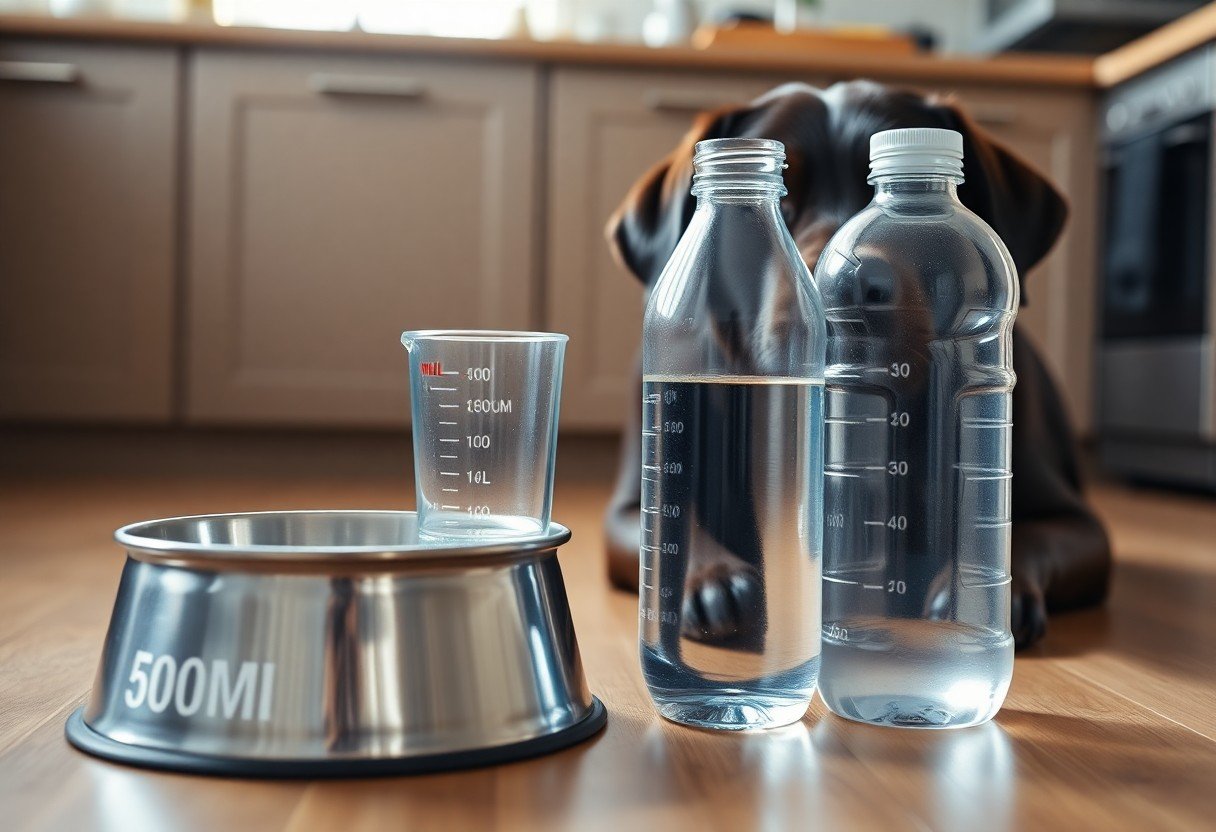
Most healthy dogs need about one ounce of water per pound of body weight each day. This simple guideline helps you quickly estimate your dog’s daily hydration needs using their weight. Always provide fresh water and monitor how much they drink, especially in hot weather or after exercise.
Ounces and Pounds
You can calculate your dog’s water needs by matching ounces to pounds. A 20-pound dog, for example, should drink roughly 20 ounces of water in 24 hours. This amount may vary slightly depending on activity, but it’s a reliable starting point for most dogs.
Daily Expectations
Your dog’s actual intake might fluctuate daily based on diet, age, and environment. Canned food contains more moisture than kibble, so dogs eating wet food may drink less from the bowl. Keep an eye on changes in thirst, as sudden increases could signal health concerns.
Consistency matters more than hitting an exact number every day. If your dog usually drinks enough but skips a day or drinks more after a long walk, that’s normal. What you’re aiming for is a steady pattern over time, not perfection with every ounce.
Environmental Influences
Temperature and activity level play a major role in your dog’s daily water needs. When the weather heats up, your dog loses more moisture through panting and requires increased hydration. Always ensure fresh water is available, especially during warm months. For more details on baseline intake, check this guide on How Much Water Should My Dog Drink? to understand how environment shifts those needs.
The Heat of the Day
High temperatures increase your dog’s water requirements significantly. As they pant to cool down, they lose fluids rapidly, especially in direct sunlight or humid conditions. You’ll notice your dog drinking more frequently during summer afternoons. Always provide shade and cool water when outdoors to prevent dehydration.
Physical Exertion
Exercise raises your dog’s metabolism and fluid loss through respiration. Even moderate walks on hot days can lead to increased thirst. After playtime or a run, make sure your dog has immediate access to water to replenish lost fluids and maintain healthy organ function.
Extended activity like hiking or agility training demands even greater hydration. Your dog may need small, frequent drinks during breaks rather than one large intake afterward to avoid discomfort. Monitor their behavior-panting, lethargy, or dry gums can signal dehydration, especially after intense exercise.
Diet and Moisture
Dry Kibble Consumption
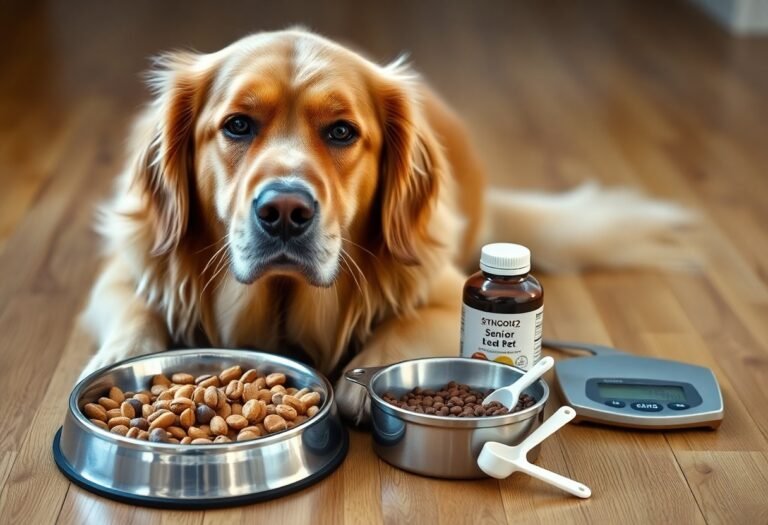
Dry kibble typically contains only about 10% moisture, meaning your dog relies heavily on drinking water to stay hydrated. Without enough water intake, digestion can slow and urinary issues may arise. You’ll need to monitor how much your dog drinks, especially if their diet is entirely kibble-based.
Wet Food Benefits
Wet food can contain up to 80% water, significantly boosting your dog’s daily moisture intake. This added hydration supports kidney function and makes it easier to maintain healthy urine concentration. Dogs eating wet food often drink less from their bowl, but still meet hydration needs through their diet.
Feeding wet food may be especially helpful for dogs prone to urinary crystals or those reluctant to drink enough water. The high moisture content mimics the natural hydration levels found in prey, aligning more closely with a dog’s biological needs. You might notice your dog urinates more regularly and with lower concentration, a sign of better hydration.
Signs of Dehydration
Recognizing dehydration early can prevent serious health issues in your dog. One of the easiest ways to assess hydration is by checking your dog’s gums and eyes. If you’re wondering How Much Water Do Dogs Need to Drink Every Day?, knowing these physical signs helps you act fast when intake falls short.
Gum and Eye Appearance
Healthy gums should feel moist and appear pink. Run your finger over them-if they feel sticky or look pale, your dog may be dehydrated. Sunken eyes are another red flag. When your dog’s eyes appear dull or recessed, it often signals fluid loss. These changes happen quickly, especially in hot weather or after heavy activity.
The Skin Pinch Test
Grasp the skin at the back of your dog’s neck and gently lift it upward before releasing. In a well-hydrated dog, the skin snaps back into place instantly. If it falls back slowly or stays tented, dehydration is likely. This simple test gives you immediate insight into your pet’s fluid levels.
Your dog’s skin elasticity reflects overall hydration status. Puppies and younger dogs usually have more elastic skin, so the test is most reliable in adult and senior dogs. Always combine this check with other signs for a clearer picture of your dog’s health.
Decreased Water Intake
Noticing your dog drink less water than usual can signal an underlying issue. While occasional dips in consumption may not raise concern, a consistent drop deserves attention. Dogs need steady hydration to support digestion, circulation, and temperature regulation, so reduced intake can impair their overall health.
Physical Ailments
Dental pain or gastrointestinal discomfort often leads to less drinking. If your dog winces while lowering their head to the bowl or avoids it altogether, a tooth infection or sore mouth could be the cause. Conditions like kidney disease or diabetes may also alter thirst patterns, even though they typically increase water needs.
Emotional Stress
Changes in your household, loud noises, or new pets can unsettle your dog. When stressed, some dogs lose interest in normal routines, including drinking. You might notice your dog lingering near the water bowl but not drinking, or avoiding it entirely during anxious periods.
Stress affects your dog’s body chemistry, sometimes suppressing the urge to hydrate. This is especially common in sensitive or rescue dogs who react strongly to environmental shifts. Creating a calm, consistent space with easy access to fresh water can help restore their normal drinking habits.
Excessive Water Intake
Drinking too much water may seem harmless, but it can signal an underlying problem or even create new health risks. While hydration is imperative, balance matters just as much as quantity.
Overhydration Risks
Overhydration can lead to a dangerous drop in blood sodium levels, known as hyponatremia. This imbalance may cause vomiting, lethargy, or in severe cases, seizures.
Your dog’s kidneys can only process so much fluid per hour. Pushing beyond natural limits, especially during intense exercise or hot weather, increases the risk of water intoxication.
Underlying Diseases
Excessive thirst often points to medical conditions like diabetes, kidney disease, or Cushing’s syndrome. If your dog suddenly drinks more than usual, it’s not something to ignore.
Changes in water intake can be one of the first signs your vet uses to diagnose illness. Monitoring how much your dog drinks daily helps catch problems early.
Dogs with diabetes may drink several times their normal amount due to high blood sugar pulling fluid into the urine. Similarly, kidney disease impairs the organ’s ability to concentrate urine, forcing your pet to drink more to stay hydrated. These conditions require prompt veterinary evaluation and treatment to manage effectively.
Conclusion
With this in mind, your dog’s daily water intake depends on size, activity level, and environment. Most dogs need about 1 ounce of water per pound of body weight each day. You see changes in weather or increased exercise, your dog will require more. Always provide fresh water and monitor drinking habits closely. Sudden shifts in thirst can signal health issues, so consistency matters. You are responsible for ensuring hydration supports overall well-being.